
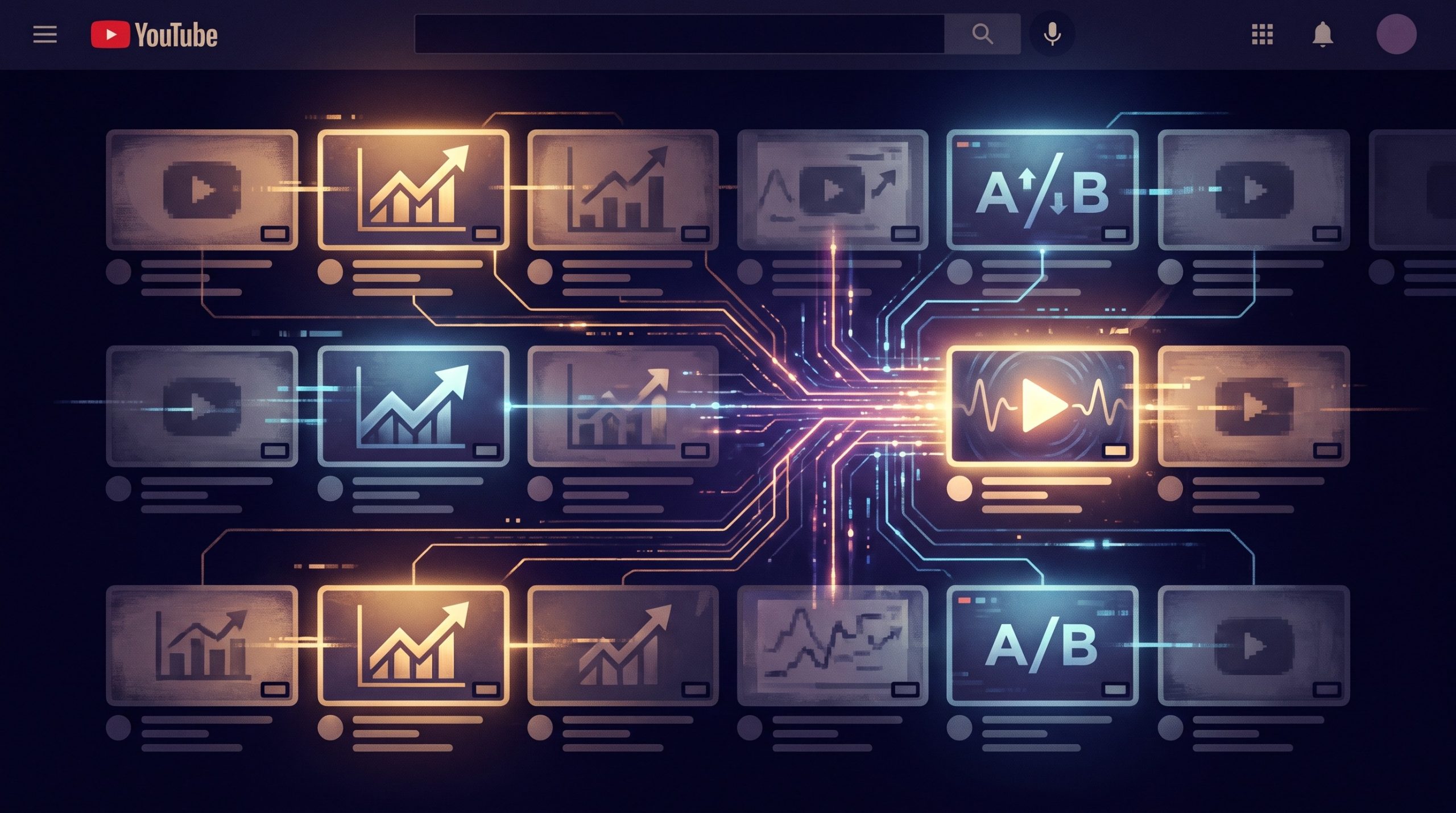

Your next useful video may already be on your channel. A back catalog deserves a review process that checks whether its promise is still accurate, whether the packaging explains that promise, and whether a new audience has a reason to watch.
YouTube’s September 23, 2026 announcements make that process timely. YouTube describes Ask Studio reviewing older videos in the background and suggesting or testing refreshed thumbnails. It also announced dynamic thumbnails and upcoming comparisons of up to three video cuts. Availability can vary; an announcement is not proof that every account has access.
Start with a catalog audit, not a thumbnail generator
A new image cannot repair advice that is outdated or a video that fails to deliver its premise. Before changing packaging, classify twenty evergreen uploads into three groups:
- Ready to test: the information remains useful, but the title or thumbnail hides the strongest idea.
- Needs an update: the central lesson still works, but facts, product references, links, or examples need attention.
- Leave alone: the existing promise is accurate and the video is already serving its intended audience.
This is a triage exercise. It stops an optimization tool from treating every old upload as a problem that needs a more dramatic title.
Write the promise the video can actually keep
For each candidate, write one sentence describing what a viewer will learn. Then identify the moment in the video that delivers it. If the payoff requires a long explanation you have cut out of the title, the packaging may be selling a different video.
For example, a hypothetical podcast interview about reducing editing handoffs could support “The Three Decisions That Cut Podcast Rework.” It would not support “Fire Your Editor” unless the episode actually makes and substantiates that argument.
Keep a short prohibition beside each candidate: what the new packaging must never imply. That boundary is more useful than an instruction to maximize clicks.
Turn each packaging option into a hypothesis
Three cosmetic rewrites teach very little. Give each option a different reason someone might watch:
- Problem: name the costly mistake the episode helps resolve.
- Outcome: show the concrete improvement the viewer can make.
- Tension: expose a supported disagreement or surprising finding.
Make the title and thumbnail work together. A thumbnail should create a clear visual question; the title should help the right viewer understand why the answer matters.
Record a baseline before changing anything
Save the current title and thumbnail, the reason for the test, the recent traffic mix, and the metrics available in your account. Compare similar windows and note external events that could distort the result.
A spike after a packaging change does not establish that the change caused it. Search demand, a related new upload, seasonality, or a mention elsewhere may also affect discovery.
Check more than click-through rate. Look at whether viewers stay, whether the opening fulfills the promise, and whether comments reveal mismatched expectations. A high-click option that disappoints the audience should fail your review.
Use AI to prepare the review
Review these evergreen videos using only the material and metrics supplied. For each candidate, give me the supported viewer promise, why a test is timely, three distinct packaging hypotheses, evidence from the original video, and claims the new packaging must not imply. Separate observed data from possible explanations. Flag outdated information. Recommend leaving a video unchanged when there is no clear reason to test it.
Have the creator approve the promise before producing thumbnail variants. Keep the original assets so a misleading or unsuccessful experiment can be reversed.
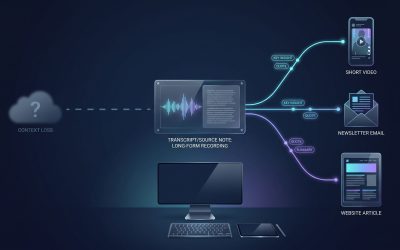
If you also turn episodes into newsletters or articles, use the same source discipline described in the source-packet workflow. Packaging and repurposing share the same risk: clearer language can quietly become a stronger claim.
Run one small monthly review
Choose three candidates, document the hypotheses, and test only where your account supports a meaningful comparison. Review the result before expanding the process. If the content is outdated, plan an update rather than disguising it with a new image.
The goal is a library that remains useful and findable. Treating old work as an asset can create leverage without demanding another recording session.
Refresh the promise only when the video can keep it.
Creator CTRL — Create like yourself. Operate like a team.

0 Comments